Portable Toilet Rental in Boston: Cleanliness Standards Explained
Cleanliness is the reason people rent portable toilets in the first place. Not the gimmicks, not the signage on the fence. When the unit arrives on a Boston job site, a homeowner’s driveway, or an outdoor event, the first impression is usually visual, then it turns into a smell check, and finally it becomes a practical question: does it stay usable through the day?
In Boston, that question gets harder. Winter slush, spring thaw, summer humidity, and the occasional windy street event all change how quickly a portable toilet can look “fine” while still feeling unpleasant. The best Portable Toilet Rental companies treat cleanliness as a system, not a single delivery.
Below is how clean should be defined in real life, what “clean” should mean in a portable toilet on rent, and what you can ask for so you do not end up paying for something that only looks okay for the first few hours.
What “clean” actually means for a portable toilet
A portable toilet is a small, enclosed sanitation system. Cleanliness depends on several layers working together: the waste holding tank, the condition of the toilet components, the amount and type of deodorizer or treatment used, and how often the unit is serviced.
When people say a porta potty is “clean,” they often focus on the visible surfaces, like the seat, walls, and door. Those matter, but they are only part of the story. A unit can look clean and still be unsanitary if it is not being serviced on the right schedule or if the deodorant and sanitation treatment are not being refreshed.
From experience, the most noticeable signs of poor sanitation are usually not subtle. If a unit is overdue for pumping or treatment, the odor can creep upward through ventilation and around the door seals. If the interior is not properly cleaned between rentals or between services, you might notice residue around high-touch areas, especially around the toilet seat area and door latch. And if the unit’s waste level is getting close to capacity, cleanliness often declines fast because odor control stops being consistent.
That is why cleaning standards should not be a vague promise. They should be tied to specific actions: what gets disinfected, how waste is removed, what gets replaced or serviced, and how delivery teams handle units at the job site.
The Boston reality: weather and traffic affect cleanliness
Boston is not just “cold winters and hot summers.” It is a mix of older neighborhoods, narrow access points, strict street logistics, and different site conditions depending on what you are building or hosting.
Cold weather is the obvious problem. A tank can freeze if the system is not prepared or if the service plan does not account for freezing conditions. Most reputable portable toilet rental companies manage this with the right treatment and by adjusting service frequency when temperatures drop. You might hear language like “winter package” or “cold weather care,” and what matters is whether the company can explain how they keep the unit functional rather than just promising it will be “fine.”
Then there is the ground. If a unit sits on uneven pavement or on compacted dirt that shifts with rain, it may not drain as intended and it can become harder to keep surfaces properly cleaned during a service call. On outdoor event sites, foot traffic can also turn a unit into a high-touch location. If users are handling the door latch, touching the walls, and wiping hands on the interior area, the “clean” factor becomes time-sensitive. High volume means cleaning is not a one-and-done event.
Finally, access matters for service. If a truck cannot get close, service can take longer, and delays create bigger cleanliness swings. On tight streets or construction entrances, you want a plan for where the unit is placed and how it is reached for servicing. A portable toilet on rent is only as clean as the logistics behind it.
Cleanliness standards should cover both delivery and service
A portable toilet rental is not just a drop-off. It is a cycle. You either receive a unit that has been cleaned and prepared since its last use, or you get something that is waiting for cleaning after it is already in your care. Good companies do not gamble.
Before it arrives: condition and preparation
Before placement, a clean unit should be inspected. You should expect the company to check for basic issues like residue buildup, worn seat surfaces, missing or damaged components, and odor problems that could show up immediately after opening the door. Even with the best waste treatments, if a unit has been handled roughly or stored improperly, you can end up with lingering smells.
If you have ever walked up to a porta potty and recoiled before you even open the door, you know that problem is not fixable with wishful thinking. That is why the initial condition matters. Ask your provider how they ensure sanitation before delivery, especially for Portable Toilet Rental when the unit is for multiple days.
While it is on site: service frequency and treatment refresh
Once a unit is in use, cleanliness depends on consistent servicing. Many factors drive the schedule: number of users, event duration, time of year, and whether it is a high-demand site like a construction zone with irregular breaks.
I typically judge cleanliness by how it holds up after the first rush hour, not just by how it looked at delivery. A well-run unit stays more stable throughout the day because the waste is managed and odor control is replenished. When service is too infrequent, the unit tends to go from “fine” to “noticeable” quickly.
For emergency situations: the “clean now” challenge
Emergency portable toilet rental happens when something breaks, a permit changes, or you realize you cannot meet sanitation needs without immediate action. The urgency can compress the time for prep and servicing, so it is even more important to choose the provider that can show competence under pressure.
In emergency cases, ask what “clean now” means operationally. Is the unit delivered sanitized and ready to use immediately? Is it equipped with fresh treatment upon arrival? And once the emergency window passes, what is the plan for standard service?
Emergency does not have to mean sloppy. It just means the company needs to be organized enough to deliver properly even on short notice.
What to look for when you inspect a unit
If you are responsible for hiring the service, you do not have to become a sanitation inspector. You just need to know what “wrong” looks like.
Start with what you can see. The door should close securely, the interior should not have obvious residue on the walls or around the toilet area, and the toilet seat should look intact and not sticky or stained. The floor should not feel like it has pooled waste or debris. If the unit includes hand sanitizer or paper products, those should be present and not left empty or half-stocked.
Then check what you cannot easily fake. Odor is a big tell. If the unit smells strongly when it is closed, you might be dealing with odor control that is already failing, especially on longer rental periods. If the smell hits hard immediately upon opening the door, the deodorizer or treatment plan may not be sufficient for the usage level.
A practical way to assess cleanliness is to compare units. If you have multiple porta potties on site, one that consistently smells worse or looks dirtier usually reveals a service imbalance. It could also indicate placement issues. For example, if one unit is in a low-ventilation area where air does not move, it might hold odor longer. Still, persistent differences are worth bringing to the provider.
Trade-offs: cheap portable toilet rental vs. Consistent cleanliness
Cheap portable toilet rental can be tempting, especially when budgets are tight or you are dealing with a short event. The problem is that low price often comes from where the company can cut costs. Sometimes that shows up as fewer services during multi-day use, lighter stocking of supplies, or slower response times for problems.
That does not mean every affordable option is dirty. It means you have to be specific about what you are buying. A low-cost quote should still come with a defined service plan. If the price is low because the rental duration is short, that might be totally reasonable. If the price is low because the unit will not be serviced to match expected user volume, you may pay for “cheap” again through complaints, extra cleanup, or a provider swap.
A clean site is not free. It takes time, cleaning materials, disposal, and manpower. Ask for clarity on servicing. Clarity is where you protect cleanliness without automatically paying the highest rate.
How providers should handle sanitation and waste
The sanitation workflow is where reputable Portable Toilet Rental providers separate themselves from the unreliable ones. You do not have to see the truck or the tank process to judge whether the company uses a proper method, but you can ask questions that reveal their competence.
Good providers will explain, in plain language, that they pump and service the waste and refresh odor control as part of regular maintenance. They should also be clear about how they handle units between deliveries. Do they clean and disinfect? Do they inspect for damaged parts? Are units prepared for the next placement?
If a company cannot or will not talk through the practical realities, that is a red flag. You are not asking for secrets. You are asking for a consistent standard that matches how people will use the unit.
Questions to ask a portable toilet rental company (and why)
You can reduce the odds of a cleanliness problem by asking the right questions before the unit shows up. These are not complicated. They are the kinds of questions a responsible provider should answer comfortably.
- How often will the unit be serviced based on expected usage, and can you adjust the schedule if the site is busier than planned?
- What cleaning and disinfection steps happen between rentals or between service visits?
- What deodorizer or treatment approach is used, especially for Boston winter or extended multi-day events?
- What is the replacement or resupply plan for supplies like hand sanitizer, paper products, or soap if the unit runs low?
- If I need emergency portable toilet rental, what do you do differently to keep the unit clean at delivery?
A provider who offers clear answers is usually one that has a system. Systems are what keep cleanliness steady rather than dependent on luck.
Common cleanliness failure points (the stuff that bites people)
Cleanliness issues usually come from a few predictable failure points. When you know them, you can recognize them quickly.
One common issue is a mismatch between user volume and service frequency. People underestimate usage. A unit that looked fine at 10 a.m. Can get overwhelmed by a lunch rush. Then odor control and sanitation start lagging behind. If the provider’s schedule assumes fewer users, the unit can drift into a “noticeable” zone by midday.
Another issue is stock and supplies. request estimate If paper products run out, some users start using whatever is available, which can add mess. If hand sanitizer is empty, you tend to see more smearing around touch points. That is not just “user behavior,” it is a facility management factor. Cleanliness depends on whether the environment supports proper hygiene.
Damaged components also matter. A cracked seat, a broken latch, or a door that does not close tightly can turn a minor issue into a cleanliness problem. Users are more likely to leave the door open, which changes airflow and odor management. They are also more likely to make contact with surfaces that are harder to keep clean when parts are failing.
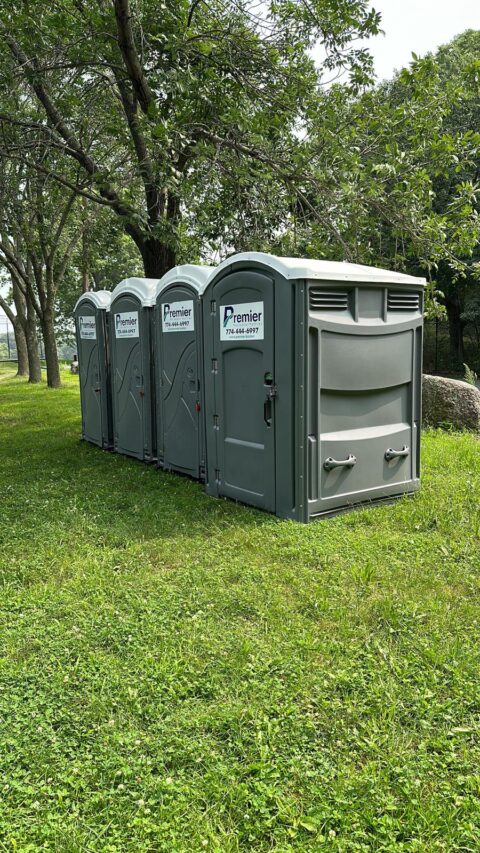
Finally, placement can affect how clean a unit feels. If it is positioned near a walkway where debris collects or where wind repeatedly pushes dust against the door and latch, you can end up with a unit that looks dirtier even if it is being serviced. Placement is operational cleanliness, not just sanitation.
Daily maintenance expectations you can negotiate
Not every site can support constant maintenance, but you can often negotiate expectations that protect cleanliness. The goal is to avoid a situation where the first service visit is too late for what you need.
For shorter events, some providers can offer a tighter service rhythm during peak times, even if they cannot deliver frequent stops all day. For longer rentals, you should expect regular servicing intervals that fit the usage reality.
If you are hosting an event, it helps to communicate your schedule: when the crowd peaks, whether there are breaks, and whether there is food service that increases foot traffic. I have seen cleanliness improve just by aligning the service visit with the end of a peak window, rather than treating servicing as a generic “every so often” arrangement.
If you are running a construction site, it is worth tracking how often crews use the unit and whether usage spikes with inspections, weather windows, or shift changes. The more accurately the provider understands usage patterns, the less likely you are to get blindsided by cleanliness decline.
A simple way to set expectations with a rental contract
You do not need to read a contract like a lawyer. You do need to read it like a customer who wants cleanliness. The key is that the contract should clearly reflect what “service” means during your rental period.
Look for clarity on service frequency, what happens if the unit is full sooner than expected, and what emergency portable toilet rental would involve in the middle of a multi-day run. If a provider mentions “regular service,” ask what that means in your case. “Regular” can mean different things depending on company standards and the expected user count.
Also pay attention to whether the quote assumes the unit will be used at a certain scale. For example, a quote for a small crew might not hold up for a larger crowd. If your plan changes, you want the provider to adjust quickly rather than waiting for the next scheduled visit.
Two scenarios where cleanliness is especially hard
Cleanliness standards are not uniform across all rental situations. A few scenarios are harder than others, and that is where you want extra attention.
Outdoor events with high traffic
When people cycle through quickly, a unit can get a steady stream of users, which is tough on odor control. Cleanliness is still achievable, but it requires a service plan that accounts for the pace of traffic, not just the total number of people.
Supplies also become a bigger factor. When paper or sanitizer runs out, you will see mess accumulate faster. That is why providers who stock consistently tend to keep units cleaner during the event.
Construction sites where the ground shifts and access is tight
Boston construction sites can have uneven access, temporary barriers, and changing work zones. A unit that is moved even slightly after placement can shift how it sits on the ground. That can make it easier for debris to collect around the base and can affect the user experience.
Cleanliness problems here often show up after a site logistics change, not on day one. If your site team has the ability to coordinate placement and keep access paths clear for service crews, cleanliness holds up better.
What “good value” looks like for portable toilet rental in Boston
Good value is not the lowest price. Good value is a rental that stays clean and functional for your actual use period, without last-minute surprises.
If you are comparing options, consider how the rental company will manage service intervals, how they handle unexpected usage spikes, and whether they respond promptly if a unit needs attention. A slightly higher price can be cheaper overall if it prevents complaints, extra cleanup, or an early swap to a different unit.
https://www.google.com/search?kgmid=/g/11js_wzp08Cheap portable toilet rental can be perfectly fine for a short job, a small event, or a well-managed site with low usage. But if you need consistent cleanliness across multiple days and shifting schedules, you will usually get better results by paying for a defined sanitation and service standard, not just the unit itself.
The practical checklist you can use on arrival
When the unit arrives, you have one chance to catch obvious issues before it becomes part of your site routine. This is not about being overly picky, it is about protecting hygiene from day one.
- Check that the door closes properly and the interior looks free of obvious residue.
- Open the door and verify the condition of the seat and floor, and smell for major odor issues.
- Confirm that supplies, if included, are stocked and usable.
- Make sure the unit is placed on stable ground with access for service.
- Ask when the first service visit is scheduled and who to call if usage is higher than planned.
If anything feels off, address it immediately. A small correction early is easier than dealing with a messy unit after it has been in use for a full shift.
How to keep units clean after they are placed
Once the portable toilets are on site, you can help protect cleanliness with simple coordination. Tell the provider early if you expect more users than originally planned. Keep walkways clear so users do not bring debris into the immediate area. If you have staff overseeing an event, assign one person to monitor supplies and respond quickly when items run low.
Also, avoid assumptions about user behavior. People follow what is available. If the unit is stocked and easy to use, cleanliness tends to hold. If supplies are missing and the unit looks neglected, people compensate in ways that make cleanup harder.
A clean portable toilet is a shared outcome between the rental company’s sanitation process and the site’s basic operational discipline.
Choosing the right type of Portable Toilet Rental for your needs
Not every situation needs the same level of setup. Some jobs and events can work with a standard portable unit. Others need higher reliability due to longer durations, heavier usage, or stricter expectations from attendees or inspectors.
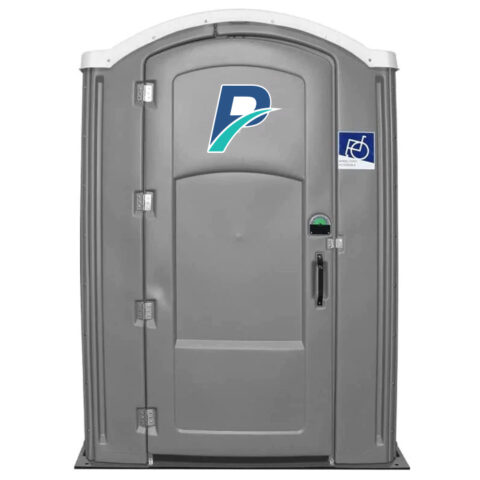
If you are working with a portable toilet rental company, ask what unit type and service plan fits your schedule. The right choice balances cleanliness, access, and total cost. It is also where you should discuss emergency portable toilet rental options in case your timeline shifts.
And if your main goal is Portable Toilet Rental on a budget, do not stop at price. Evaluate whether the “cheap” option still includes the servicing cadence that keeps odor and cleanliness under control.
Boston customers are quick to notice when sanitation slips. When you choose a provider that treats cleanliness as an ongoing standard, the difference is obvious within the first day and it stays visible for the duration of the rental.
Premier Portable Potties
35 Industrial Dr, East Bridgewater, MA 02333, United States
(774) 444-6997
[email protected]
website: https://www.premier.boston/